
Designing Field Trips for Hands-On, Interactive Student Learning
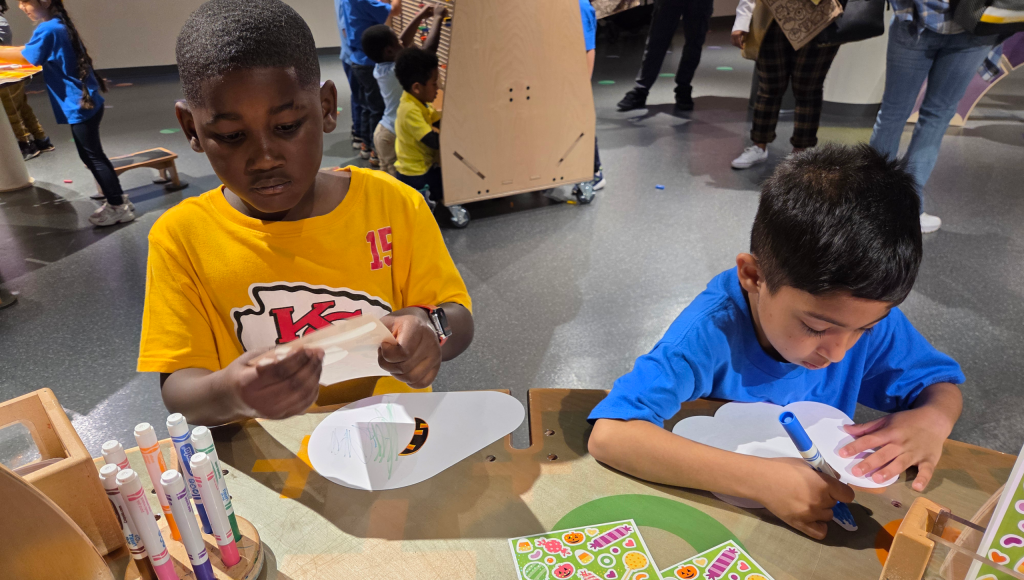
Transforming a static tour into an interactive journey requires a shift in how we structure a student's time.
Think back to your own favorite childhood field trip. Chances are, you don’t remember a lecture or a slideshow. You remember the time you dug up a fossil, mixed a chemical solution, stepped onto a historic stage, or coded a miniature robot.
The most powerful field trips invite students to be active participants, not passive observers. Students remember experiences where they touch, build, test, perform, and solve real problems. When students can use their senses and take on meaningful roles, their attention, confidence, and content retention increase dramatically.
For educational venues and program coordinators, shifting from a “look but don’t touch” model to an interactive one is the key to creating an unforgettable experience. Here is how providers can intentionally design for hands-on, high-impact learning:
1. Create Dedicated Interactive Activity Stations
Instead of moving a massive group through a space in a single line, break the experience down into active hubs. Interactive activity stations allow smaller groups of students to rotate through different concepts at their own pace, keeping energy levels high and minimizing downtime.
2. Move Beyond Viewing to Experiments and Challenges
If your venue showcases science, history, or art, don’t just explain the final product. Use experiments, simulations, and problem-solving challenges that mirror the actual work behind the subject. Let students fail safely, test hypotheses, and discover answers for themselves.
3. Ask Students to Create, Not Just Consume
The human brain is wired to remember what it produces. Challenge students to create something during their visit — whether it’s a physical craft, a collaborative piece of art, a digital design, or a structural prototype. Moving them from consumers of information to creators of content builds a profound sense of pride and ownership.
4. Incorporate Movement and Role-Play
Kids are built to move. Long periods of sitting and listening can quickly drain the excitement from a room. Look for ways to physically involve students. Use movement, tactile exploration, and theatrical role-play to get them out of their seats and into the experience.
5. Use Storytelling Themes, Quests, or Missions
Frame the entire field trip as a narrative journey. Instead of a standard checklist, give students a “mission” to complete, a mystery to solve, or a quest to fulfill. Storytelling themes instantly gamify the educational content, turning a routine school trip into an epic adventure.
6. Let Students “Step Into” Professional Roles: Don’t just tell them about a career, let them audition it. Design scenarios where students step directly into the shoes of scientists, artists, curators, historians, or engineers. Experiencing a day in the life of a professional can spark a lifelong passion.
7. Offering Behind-the-Scenes Access: There is immense magic in seeing the inner workings of a venue. Pull back the curtain by offering behind-the-scenes access and direct interaction with real professionals. Letting students talk to the experts bridges the gap between school subjects and real-world careers.
When we shift our focus from what students will see to what students will do, the entire dynamic of a field trip changes. Furthermore, if your team needs help brainstorming and developing hands-on, interactive designs, the KCFT staff is always here at your service.